Copa De Campeones Concacaf: The Ultimate Showdown Of Regional Football

Copa De Campeones Concacaf: The Ultimate Showdown Of Regional Football - In 2008, the format was revamped to become the CONCACAF Champions League, aligning more closely with international standards and increasing the tournament's prestige. This change brought greater participation from Major League Soccer (MLS) teams in the United States, enhancing the competition's profile and competitiveness. The evolution of the Copa de Campeones Concacaf reflects the growing importance of regional football and its integration into the global football landscape. Some of the standout clubs in the Copa de Campeones Concacaf include:
In 2008, the format was revamped to become the CONCACAF Champions League, aligning more closely with international standards and increasing the tournament's prestige. This change brought greater participation from Major League Soccer (MLS) teams in the United States, enhancing the competition's profile and competitiveness. The evolution of the Copa de Campeones Concacaf reflects the growing importance of regional football and its integration into the global football landscape.

Since its inception, the Copa de Campeones Concacaf has grown in stature, becoming a key fixture in the international football calendar. The tournament not only highlights the competitive spirit of regional teams but also promotes the development of football in the CONCACAF zone. With increasing investment and media coverage, it continues to evolve as a platform for showcasing world-class football.
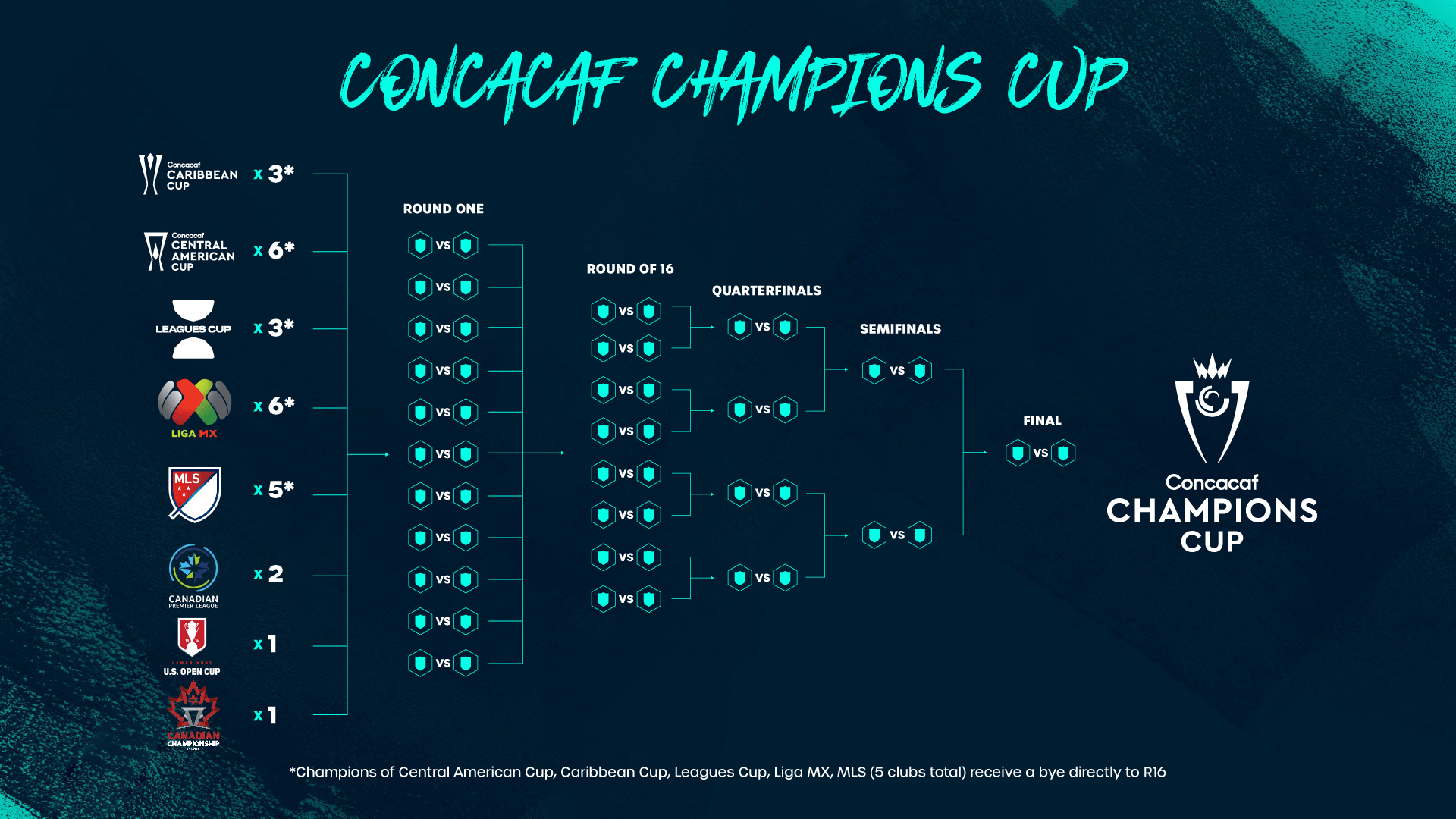
Teams qualify for the Copa de Campeones Concacaf based on their performance in domestic leagues and regional competitions. The qualification process ensures that only the strongest teams compete at this level, maintaining the tournament's high standards and competitiveness.
Fan engagement plays a crucial role in the success of the Copa de Campeones Concacaf. The tournament offers fans a chance to witness world-class football up close, with matches often played in iconic stadiums across the region. Organizers work diligently to enhance the fan experience, incorporating modern technology and interactive platforms to engage supporters both in attendance and watching from home.
The Copa de Campeones Concacaf is one of the most prestigious football tournaments in the CONCACAF region, bringing together the best teams from North America, Central America, and the Caribbean. This competition serves as the pinnacle of club football in the region, showcasing top talent and fierce rivalries that captivate fans across the globe. As a premier sporting event, it draws significant attention from football enthusiasts, media, and stakeholders alike.
While the Copa de Campeones Concacaf stands as a leading regional football tournament, it is often compared to other competitions such as the UEFA Champions League and Copa Libertadores. Each tournament offers unique characteristics and challenges, reflecting the distinct football cultures and traditions of their respective regions.
Young talents also use the Copa de Campeones Concacaf as a platform to showcase their skills and attract interest from top clubs around the world. The tournament serves as a launchpad for emerging stars, providing them with exposure on a regional and international level.
The Copa de Campeones Concacaf consists of several key stages:
The Copa de Campeones Concacaf features some of the most renowned clubs in the CONCACAF region. Mexican teams have traditionally dominated the competition, with clubs like Chivas de Guadalajara and Tigres UANL frequently appearing in the finals. In recent years, MLS teams such as Seattle Sounders FC and LA Galaxy have also made significant strides, challenging the Mexican juggernauts.
Así fue la Concachampions 2025 Resultados, partidos y todo sobre la
Looking ahead, the Copa de Campeones Concacaf is poised for continued growth and expansion. Efforts to enhance the tournament's format, increase participation, and improve the overall fan experience are ongoing. The integration of technology and innovative strategies will play a vital role in shaping the future of the competition, ensuring its relevance and appeal in an ever-evolving football landscape.
The Copa de Campeones Concacaf traces its roots back to the formation of the CONCACAF Champions' Cup in 1962. Over the years, the tournament has undergone several transformations, evolving into the modern-day Copa de Campeones Concacaf. Initially, the competition was dominated by clubs from Mexico and Central America, with Mexican teams establishing a strong presence in the tournament.